Essential Packing List for Backpackers
Packing for a long-term backpacking trip involves more than simply stuffing a bag with clothes. The challenge lies in balancing preparedness with the need to move light and efficiently over weeks or months. A well-considered packing list can help streamline the process, allowing travelers to focus on the experience rather than what they left behind or carry unnecessarily. This article outlines a structured approach to assembling a backpacking kit, drawing on insights from Voyage Guide and experienced long-term travelers.
Every backpacker faces the same fundamental question: what is truly essential? The answer depends on destination, climate, planned activities, and personal habits. However, a core set of items spans most scenarios. By categorizing clothing, gear, toiletries, and documents, travelers can systematically evaluate their needs and avoid common packing pitfalls. The following sections break down each category, emphasizing versatility, durability, and weight reduction.
Clothing Essentials for Long-Term Travel
Selecting the right clothing forms the foundation of a functional packing list. The principle of layering applies here: a few high-quality, adaptable pieces can replace a bulky wardrobe. For most destinations, aim for three to four tops, two to three bottoms, and a mix of undergarments and socks that can be washed easily and dry quickly. Fabrics such as merino wool or synthetic blends offer moisture-wicking properties and resist odors, making them ideal for extended use between laundry days.
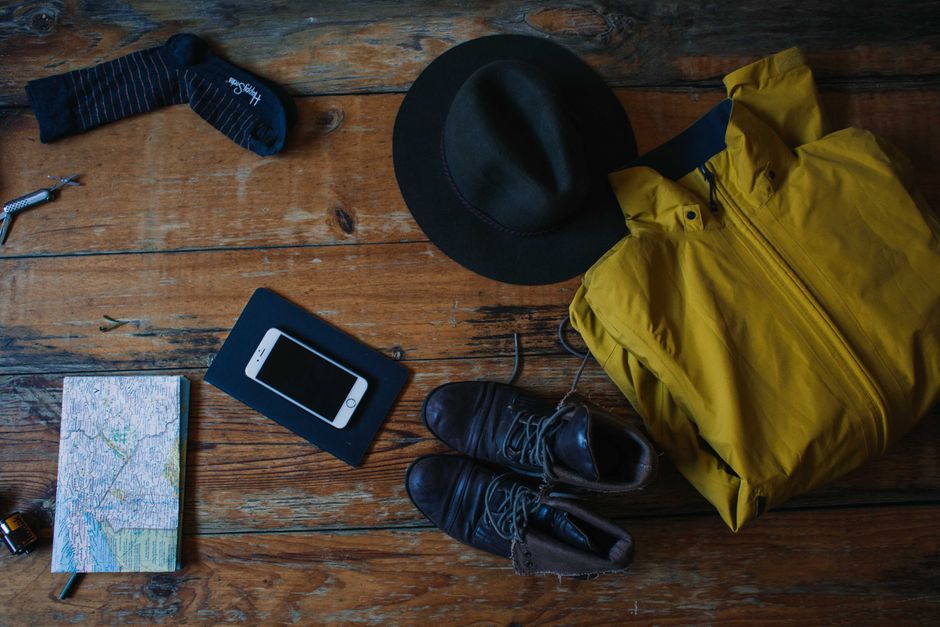
A lightweight, packable jacket serves as a critical layer for wind, rain, or cooler evenings. Many backpackers also include a fleece or insulating layer for colder climates. The goal is to cover a range of temperatures without carrying separate outfits for every possible condition. Consider a set of versatile, neutral colors that can be mixed and matched, reducing the need for multiple pairs of shoes or accessories.
When it comes to socks and underwear, a common recommendation among long-term travelers is to bring five to seven pairs of each. This allows for rotation while giving enough time between washes. Merino wool socks, in particular, provide comfort and reduce blister risk. A travel-sized clothesline and a small bottle of eco-friendly detergent can make hand washing simple and efficient, further minimizing the total amount of clothing needed.
Footwear and Accessories
Footwear choices can significantly affect comfort and mobility. Most backpackers find that two pairs of shoes suffice: one pair of sturdy, comfortable walking shoes or trail runners for the majority of the trip, and a pair of lightweight sandals or flip-flops for showers, hostel common areas, or warm climates. Hiking boots may be necessary for rugged terrain, but many long-term travelers prefer trail runners for their lighter weight and faster drying time.
Accessories such as a wide-brimmed hat, sunglasses, and a buff or scarf provide protection against sun, dust, and wind. A lightweight daypack or foldable tote bag can be useful for daily excursions without taking up much space. Additionally, a small umbrella or poncho is often included for places where rain can appear suddenly. These small items collectively contribute to comfort and adaptability, yet they should be chosen with weight and packability in mind.
Toiletries and Health Considerations
Toiletries for long-term travel should be minimized to what can reasonably fit in a single quart-sized bag or small pouch. The core list includes a toothbrush, toothpaste, deodorant, shampoo and conditioner bars or small bottles, a razor, and any specific skin care products. Solid toiletries (bars) reduce liquid volume and are easier to pack. A small microfiber towel is a popular alternative to bulky cotton towels and dries rapidly.
A basic first-aid kit is a responsible addition, containing bandages, antiseptic wipes, pain relievers, and any prescription medications with copies of the prescription. Travelers with known allergies or conditions should carry an extra supply and a medical card in the local language if possible. Sunscreen and insect repellent are essential for many destinations; opting for travel-sized bottles or solid sticks can save space. Reusable containers for small amounts of these products help avoid carrying full-size containers for the entire trip.
Gear and Equipment
The gear category covers the larger items that enable comfortable and safe travel. A durable backpack with a capacity of 40 to 60 liters is the primary container. The choice depends on the traveler’s size, the length of the trip, and whether camping is involved. A well-fitting pack with a hip belt that transfers weight to the hips can make a significant difference in daily comfort. Many backpackers pair this with packing cubes to organize clothes and accessories efficiently.
A sleep setup — whether a lightweight sleeping bag liner, an inflatable pillow, or a silk sleep sack — can improve hostel stays and is essential for camping. A headlamp or small flashlight is useful for navigating hostels, reading, or walking after dark. A power bank with sufficient capacity to recharge a phone two or three times is standard. Universal travel adapters that cover multiple plug types reduce the need for multiple converters, and a small, durable USB cable can be a lifesaver.
For security, a combination lock for hostel lockers and a small padlock for the main zippers of the backpack are common. A portable water filter or purification tablets may be relevant for destinations with questionable tap water. Finally, a reusable water bottle with a built-in filter can save money and reduce plastic waste, though its weight must be weighed against utility.
Documents and Money Management
Keeping travel documents organized and accessible is a non-negotiable part of the packing process. A waterproof document pouch or a slim travel wallet can hold a passport, copies of visas, flight itineraries, travel insurance details, and a printed list of emergency contacts. Digital backups stored on a phone and in cloud storage provide an extra layer of security. It is advisable to carry two forms of payment — for instance, a primary credit card with no foreign transaction fees and a backup debit card or cash in a separate location.
A small notepad and pen might seem old-fashioned, but they are useful for jotting down directions, phrases, or information without relying on a phone battery. Insurance cards, vaccination records, and any necessary permits (such as for national parks) should also be included. Many long-term travelers recommend keeping a small amount of local currency for arrival, as ATMs may not be immediately available.
Packing Strategies and Final Adjustments
Once the items are selected, the method of packing influences how easy it is to move and access belongings. Rolling clothes instead of folding can reduce wrinkles and fit more items into a backpack. Packing heavy items near the center of the pack and closer to the back helps maintain balance. Items used during transit — such as a jacket, snacks, and a water bottle — should be easily reachable in an external pocket or the top compartment.
Before finalizing the bag, taking a practice walk with a fully packed backpack can help identify overloading or discomfort. Some travelers weigh their pack and target a maximum of 20 to 25 percent of their body weight. Adjustments based on climate, season, or planned activities can be made up to the day of departure. The goal is not to pack everything but to carry a carefully considered selection that supports flexibility and reduces the need for frequent purchases or replacements. By following a structured list, backpackers can move confidently into their journey, knowing they have prepared for a range of situations without overburdening themselves.