How to Save Money on Accommodation in Europe
When planning a trip to Europe, accommodation often represents one of the largest portions of the travel budget. For those looking to reduce expenses without compromising comfort, understanding the various options and booking approaches can be helpful. This article outlines a range of strategies that may assist travelers in finding affordable places to stay across European cities.
The European accommodation market includes a wide spectrum of choices, from traditional hostels and guesthouses to budget hotels and apartment rentals. Each type comes with its own pricing structure and availability patterns. By exploring these options and aligning them with personal travel preferences, it becomes possible to manage costs more effectively. The following sections cover key considerations such as timing, location, booking platforms, and alternative lodging types. These insights are based on common practices observed in the travel industry and may serve as a useful starting point for budget-conscious travelers.
Understanding Accommodation Types and Price Factors
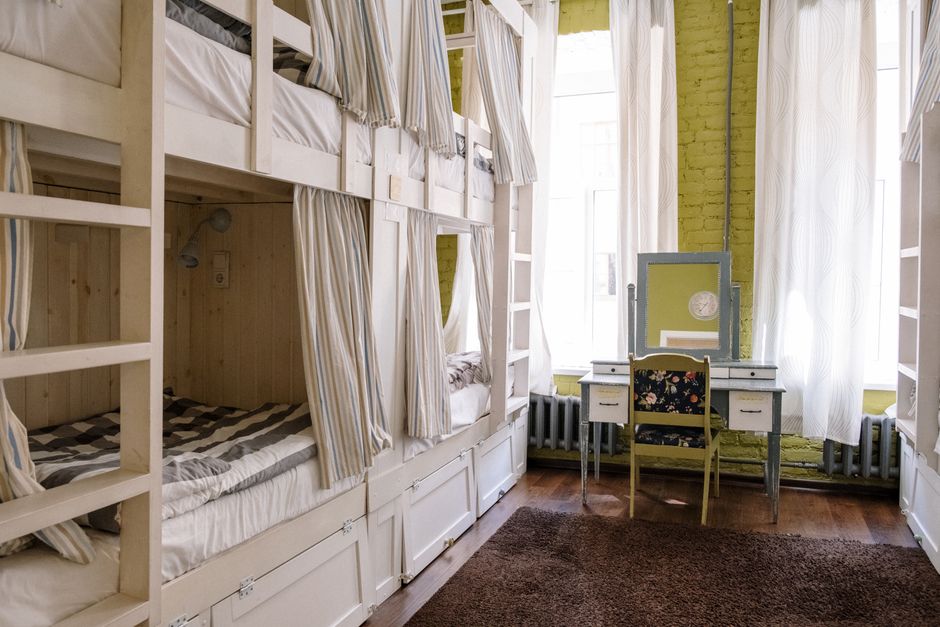
Different types of accommodation in Europe have distinct pricing characteristics. Hostels, for example, typically offer dormitory beds at the lowest rates, while private rooms in hostels or guesthouses often fall in a mid-range category. Budget hotels, sometimes part of international chains or local independent properties, provide private bathrooms and basic amenities at controlled prices. Aparthotels and short-term apartment rentals can be cost-effective for groups or longer stays, as they often include kitchen facilities that reduce food expenses.
Location is a major factor that influences price. Accommodation in city centers or near major tourist attractions tends to be more expensive. Properties in residential neighborhoods, areas slightly outside the core, or along public transport lines frequently offer lower rates. Seasonal demand also plays a central role; prices in popular destinations rise during summer, holiday periods, and local festivals. Understanding these factors allows travelers to make informed choices when comparing options.
Timing and Booking Windows
The timing of a booking can significantly affect the final cost. Many travelers find that reserving accommodation several months in advance secures lower rates, especially during peak seasons. However, last-minute bookings sometimes yield discounts when properties aim to fill empty rooms. The key is to understand the typical booking patterns for each destination. For example, cities with a high density of hotels may have more last-minute availability than smaller towns with limited options.
Traveling during shoulder seasons, which occur just before or after the peak tourist periods, often results in more moderate prices and fewer crowds. Weekday stays tend to be cheaper than weekend nights in many European cities, particularly those that attract business travelers during the week and leisure visitors on weekends. Being flexible with travel dates and monitoring price trends over time can help identify favorable booking windows.
Location and Transportation Trade-Offs
Choosing accommodation outside the immediate city center often leads to significant savings. Many European cities have efficient public transportation systems, including metro, tram, bus, and regional rail, that connect peripheral neighborhoods to central attractions. A slightly longer commute may be balanced by lower room rates and a quieter environment. For instance, staying in a suburb or a neighboring town can cut costs while still providing convenient access to the city.
Travelers may also consider the trade-off between distance and transportation expenses. In some cases, the cost of a daily transit pass may be lower than the premium charged for a central hotel. Additionally, proximity to major train stations or airports can offer flexibility for those moving between cities. Evaluating the total cost of accommodation plus daily transport helps in making a balanced decision.
Using Online Tools and Loyalty Programs
Online booking platforms provide a wide range of filters and comparison features that can assist in finding budget-friendly stays. Price comparison websites allow travelers to view rates from multiple sources simultaneously. Many of these platforms also offer price alerts, notifying users when prices drop for specific properties. Some accommodation providers have loyalty programs that reward repeat customers with discounts or perks, such as free breakfast or late checkout.
Membership in organizations like Hostelling International can grant access to discounted rates at affiliated hostels across Europe. Similarly, travel credit cards that offer cashback or points on accommodation bookings may be used strategically by those who travel frequently. It is important to read the terms of each program carefully, as benefits vary. Using these tools as part of a broader research process can contribute to more economical choices.
Practical Money-Saving Habits
In addition to booking strategies, certain habits during the stay can help keep costs low. Choosing accommodation with access to a kitchen or kitchenette allows travelers to prepare some meals instead of eating out. This is common in hostels, guesthouses, and apartment rentals. Shared facilities, such as common rooms or laundry areas, can also reduce personal expenses.
Some properties offer discounts for longer stays, such as weekly or monthly rates. Travelers planning to remain in one city for several days may inquire about such options directly with the property. Negotiating a lower rate for a direct booking, without third-party commissions, is another possibility, though it depends on the property’s policy. A blockquote from a travel resource like Voyage Guide might note: “Many budget-conscious travelers find that combining a few of these approaches leads to a more manageable overall spend.” These small adjustments, when viewed together, can contribute to a more affordable travel experience.