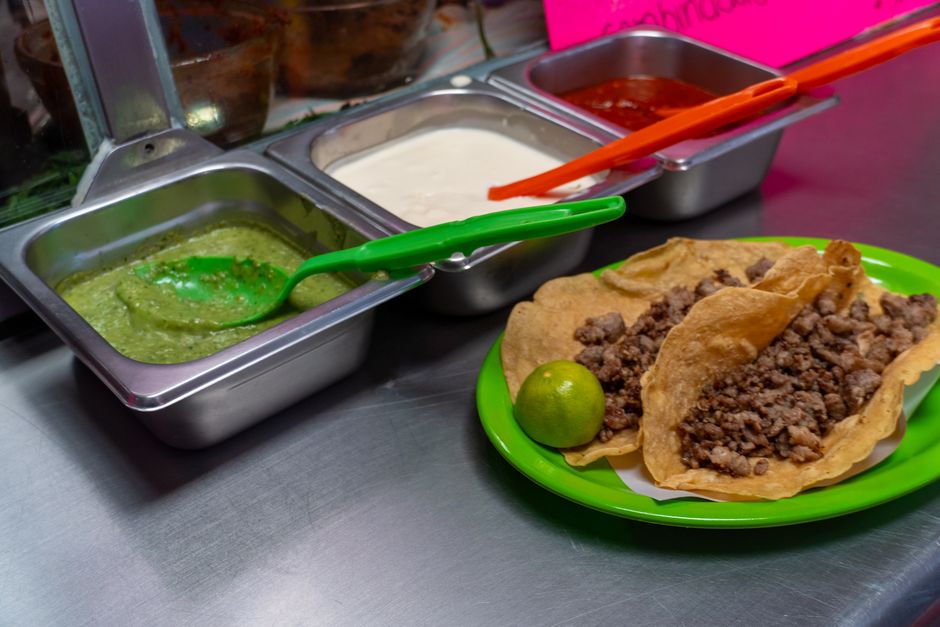
The Best Street Food Markets in Mexico City
Mexico City is a place where food culture lives and breathes on every corner. Among the many ways to experience its culinary traditions, street food markets offer a particularly direct connection to the ingredients, techniques, and rhythms of daily life. These markets are not just places to eat; they are social hubs where vendors, cooks, and customers interact in a constant exchange of knowledge and flavor. For anyone interested in understanding the depth of Mexican cuisine, a visit to a street food market provides context that goes far beyond a single meal.
In these markets, the variety of prepared foods reflects the regional diversity of the country. From the smoky aroma of grilled meats to the bright colors of fresh produce and the steam rising from pots of tamales, each stall tells a story about the people behind the food. While some markets have become popular with visitors, they remain essential to local communities. The experience of walking through a market, observing how dishes are assembled, and tasting items that have been prepared for decades offers a grounded perspective on Mexican food heritage.
The Character of Each Market
Every market in Mexico City has its own personality. Some are known for specific specialties, while others offer a broad range of options. The layout, the atmosphere, and the type of vendors all contribute to a distinct environment. When exploring these spaces, it can be helpful to consider what each market is known for and how that aligns with personal preferences. Some markets lean toward traditional preparations, while others incorporate contemporary influences. This diversity means that a single visit to one market cannot capture the full picture, but each visit adds a layer of understanding.
Mercado de San Juan
Located in the historic center, Mercado de San Juan has a reputation for offering ingredients and prepared foods that are less common in other markets. Visitors often find stalls selling exotic meats, wild mushrooms, and a variety of insects that are part of Mexican culinary traditions. The market also features several vendors dedicated to ready-to-eat dishes. Tacos de suadero, tlayudas, and freshly prepared seafood are commonly available. The atmosphere here is busy but orderly, and many vendors are accustomed to explaining their products to newcomers. Because of the specialized nature of some offerings, this market attracts both locals and tourists who are curious about more adventurous eating.
Mercado de la Merced
Mercado de la Merced is one of the largest and oldest markets in the city. Its sheer size can be overwhelming, but it rewards those who take the time to wander through its aisles. The market is divided into sections, each dedicated to different product types. In the prepared food area, one can find a wide selection of antojitos, including sopes, huaraches, and tlacoyos. The corn-based dishes here are particularly noteworthy, as the masa is often made on-site. Fresh fruit juices and aguas frescas are available from numerous stalls, providing a refreshing break. The energy of the market is constant, and the variety of both raw ingredients and cooked foods makes it a place where one can observe the full cycle of food preparation.
Mercado de Coyoacán
In the southern part of the city, the Mercado de Coyoacán is set within a neighborhood known for its artistic and bohemian character. The market itself is smaller and more contained, yet it offers a concentrated experience of street food culture. Tostadas topped with tinga, ceviche, or refried beans are popular here. The quesadillas are made with fresh tortillas and filled with a choice of ingredients such as flor de calabaza or huitlacoche. A notable feature of this market is the presence of several juice bars that prepare combinations of local fruits and vegetables. The surrounding area also has many food stalls outside the market, which adds to the overall variety. Visitors frequently note that the pace here feels more relaxed, allowing for a slower exploration of flavors.
Mercado de la Roma
The Roma neighborhood has become a hub for culinary experimentation, and its market reflects that trend. Mercado de la Roma combines traditional food stalls with newer concepts that blend international influences with Mexican techniques. Here, one can find classic items like tacos al pastor alongside creative takes on tortas or ceviche. The market also includes a selection of artisanal products, such as local cheeses and chocolates. Because of the demographic mix of residents and visitors, the vendors are often accustomed to answering questions about ingredients and preparation methods. The overall atmosphere is lively but not chaotic, and the variety of both savory and sweet options makes it a good stop for those who want to sample multiple dishes in one place.
Navigating the Market Experience
Approaching a street food market with some awareness of how things work can make the experience more rewarding. Observing the flow of customers is a practical way to identify popular stalls. Vendors who are busy with local patrons often have a reason for their popularity, and watching how dishes are prepared provides insight into the level of care involved. It is common for visitors to ask about ingredients or request recommendations, and most vendors are willing to share information. The decision of what to eat can be guided simply by what looks fresh and what is being cooked in front of you. Hygiene practices vary, but in general, stalls with high turnover and visible cooking processes tend to offer a reliable experience.
Timing also plays a role. Different markets have peak hours depending on the area and the type of food. Breakfast items are often available early, while lunch crowds bring a wider selection. Some markets remain active into the evening, but the freshest options are usually found during mid-morning or early afternoon. Exploring at different times can reveal how the market changes throughout the day. The social aspect is just as important as the food. Taking a moment to sit at a communal table or stand at a counter alongside locals offers a glimpse into the everyday culture that sustains these markets.
Street food markets in Mexico City are not destinations for a single meal; they are environments where food, history, and community intersect. Each market has its own rhythm and specialties, and the act of exploring them becomes a way of learning about the city itself. The variety of ingredients, the skill of the vendors, and the constant activity all contribute to an experience that is both educational and sensory. Whether one is drawn to the traditional preparations of La Merced or the innovative combinations found in Roma, the markets offer a perspective on Mexican cuisine that is rooted in daily practice.